
Private Label vs. Custom Formula: Which Is Right for You?
If you’re launching a product in the supplement, skincare, or wellness space, one of the first big decisions you’ll face is this: Should you go with a private label product or develop a custom formula?
Both options can be profitable and powerful, but they serve very different goals. The right choice depends on your budget, timeline, brand vision, and long-term strategy.
Let’s break it down.
What Is Private Label?
A private label product is a pre-formulated product manufactured by a third party that you brand as your own. The formula already exists, you simply customize elements like:
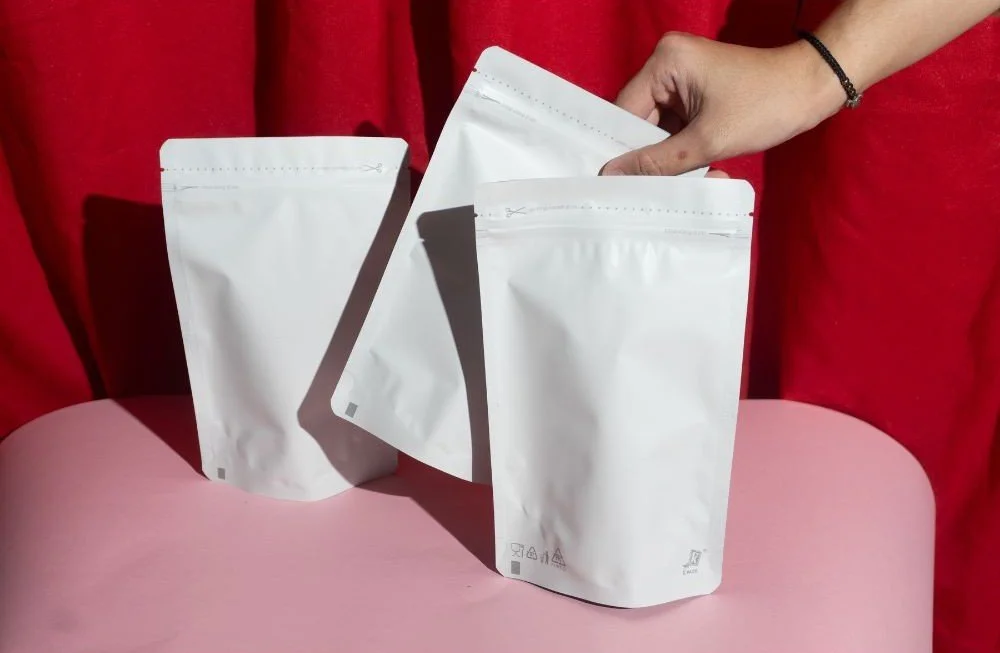
Your brand name
Logo and packaging
Label design
Marketing messaging
The product itself stays the same.
Pros of Private Label
1. Faster Time to Market
Because the formula already exists, you can launch much faster.
2. Lower Upfront Investment
No R&D costs, testing phases, or formulation expenses.
3. Lower Minimum Order Quantities (MOQs)
Ideal for startups and first-time founders.
4. Reduced Risk
You’re selling a formula that’s already been manufactured and (often) tested before.
Cons of Private Label
Little to no product differentiation
Competitors may sell the same or very similar formulas
Limited control over ingredients and formulation changes
Private label works well if your competitive edge is branding, marketing, or audience-building, rather than formulation innovation.
What Is a Custom Formula?
A custom formula is developed specifically for your brand. You work with formulators and manufacturers to create a product with unique ingredients, dosages, and functionality.
This is a product that doesn’t exist, until you create it.

Pros of Custom Formulation
1. True Differentiation
You can create something competitors don’t have.
2. Brand Authority
A unique formula positions your brand as innovative and premium.
3. Control Over Ingredients
Choose quality standards, sourcing, and functional combinations.
4. Stronger Long-Term Brand Equity
Custom formulas are harder to replicate.
Cons of Custom Formulation
Higher upfront costs (R&D, testing, stability studies)
Longer development timeline (3–9+ months)
Higher MOQs
More complexity in compliance and documentation
Custom formulation is ideal if you’re building a long-term brand with a unique value proposition.
Key Questions to Ask Yourself
To determine the right path, consider:
1. What’s Your Budget?
If you’re starting lean, private label minimizes risk.
If you have capital to invest, custom may provide better long-term returns.
2. How Fast Do You Want to Launch?
Need to enter the market quickly? Private label wins.
Building a strategic product pipeline? Custom may be worth the wait.
3. Is Your Brand Ingredient-Driven?
If your marketing revolves around specific ingredients, dosages, or performance claims, custom gives you control.
4. What’s Your Exit Strategy?
Planning to scale or sell your brand eventually? Custom formulations often increase valuation due to exclusivity.
A Hybrid Strategy (Often Overlooked)
Many successful brands start with private label to validate the market, generate revenue, and build an audience, then reinvest profits into developing a custom hero product.
This reduces risk while still allowing for long-term differentiation.
Which One Is Right for You?
Choose Private Label if:
You’re new to product-based business
You want to test demand quickly
You’re focused on branding and marketing
You prefer lower risk
Choose Custom Formula if:
You want a unique competitive advantage
You have funding for R&D
You’re building a premium brand
Long-term equity matters most
Final Thoughts
There isn’t a universally “better” option, only the one that aligns with your business goals.
Private label helps you move fast and reduce risk.
Custom formulation helps you stand out and build long-term value.
The smartest founders don’t just ask, “Which is better?”
They ask, “Which is right for where I am right now?”
If you’re clear on your vision, budget, and timeline, the answer becomes much easier.